Boat Insurance for Florida
Florida boat insurance for boaters who know the water.
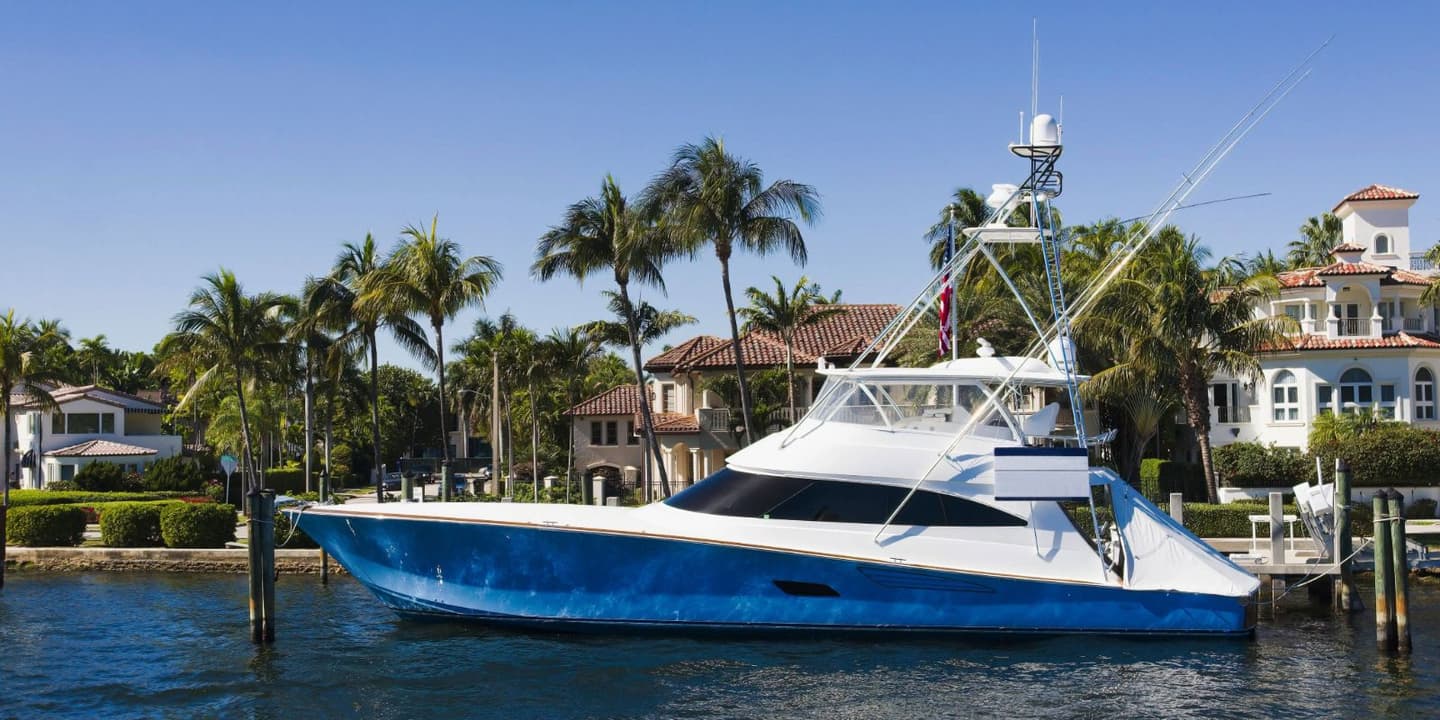
From Biscayne Bay and the northern Keys to Lake Okeechobee, Roamly works with carriers who understand how Floridians actually boat.
Florida at a Glance
Requirement | Details |
|---|---|
Insurance requirement | Not required by state law for private recreational boats. Boat rental businesses must carry at least $500,000 per person and $1 million per event, and lenders and marinas often require coverage. |
Boater education | Required for anyone born on or after January 1, 1988 who operates a boat with a motor of 10 hp or more. The FWC card is good for life, and no one under 14 may operate a PWC. |
Boating under the influence | Boating under the influence (0.08 BAC or higher, or impaired by alcohol or drugs) carries a $500 to $1,000 fine and up to six months in jail for a first conviction. Refusing a test brings a $500 civil penalty. |
Registration | Motorized boats must be titled and registered through the Florida Department of Highway Safety and Motor Vehicles at a county tax collector's office. As of October 2026, registration for a 16- to 26-foot boat is $28.75 a year, plus service fees and any county fee. |
Requirements and regulations may change. Verify with the Florida Office of Insurance Regulation and the Florida Fish and Wildlife Conservation Commission for the most current information.
What you need to know about Boat Insurance in Florida
Florida doesn't require boat insurance, but it requires boater education for anyone born in 1988 or later, sets high insurance minimums for boat rental businesses, and has its own rules for how marinas handle boats when a hurricane is coming. Here's what actually shapes your policy.
Florida's Boat Insurance Rules
No Florida law requires insurance on a private recreational boat or personal watercraft. You can still be held responsible for damage or injuries you cause on the water. Boat rental businesses are the exception: they must carry at least $500,000 per person and $1 million per event, and must either cover renters or offer them the chance to buy coverage. We'll help you figure out what makes sense for how you boat.
Agreed Value for Your Boat
Your center console with new outboards, a shallow-water anchor, and upgraded electronics isn't a stock boat. Roamly works with carriers who may value the work you've put in, not some database guess.
Electronics and Gear Coverage
Chartplotters, fish finders, VHF radios, rods, and dive gear add up fast. Roamly works with carriers who may offer coverage options for marine electronics and the personal gear you bring aboard.
Coverage Lenders and Marinas Ask For
If you finance your boat, your lender will likely require coverage for the boat itself, and many Florida marinas ask for proof of liability coverage and a hurricane plan before you can rent a slip. Roamly works with carriers who may help you meet those requirements, and we'll help you get the paperwork in order.
Protection Beyond Basics
Type | Details |
|---|---|
Mechanical Breakdown Coverage | Engines fail at the worst times — like miles out in Biscayne Bay with the afternoon storms building. Through Roamly's carrier partners, coverage may be available to help with sudden mechanical breakdowns beyond warranty. |
Guest Medical Coverage | Sandbar days and fishing trips mean friends and family aboard. Roamly works with carriers who may offer medical payments options for guests hurt on your boat. |
Docking Mishaps | Crowded ramps, strong currents, and tight slips lead to bumps and scrapes. Through Roamly's carrier partners, coverage may be available for damage from docking mishaps. |
Protect the Gear You Bring Aboard
A day on Biscayne Bay or a run down to the Keys means a lot of gear on board — rods and reels, tackle, snorkel and dive gear, coolers, and electronics mounted at the helm. Many basic policies limit coverage for personal property, so check yours before your next trip. Roamly works with carriers who may offer coverage options for marine electronics and personal effects like fishing and water sports equipment, which may help you replace what's lost or damaged.
What Florida Actually Requires
Florida doesn't require insurance on a private recreational boat. What the state does require: a Boating Safety Education Identification Card for anyone born on or after January 1, 1988 who operates a boat with a motor of 10 hp or more; titling and registration for motorized boats; and a life jacket on every child under 6 aboard a boat under 26 feet while it's underway. Accidents involving a death, a disappearance, an injury that needs more than first aid, or at least $2,000 in damage must be reported to law enforcement by the quickest means available. Going without coverage may be legal, but one collision can mean damage to another boat, a dock, or someone you hurt — and liability alone doesn't pay to fix or replace your own boat. We'll help you figure out what makes sense for your situation.
Real Value for Upgraded Boats
You set up your boat the way you wanted it: new outboards, upgraded electronics, a T-top, and a better trailer. Book value doesn't account for the upgrades you've added. Roamly works with carriers who offer Agreed Value coverage options — we'll help document your boat so it may be insured for an agreed amount that reflects your upgrades, which may help if you ever need to file a claim.
LEGAL DISCLAIMERS
Roamly is a licensed insurance agency. Insurance policies referenced are offered through Roamly and underwritten by third-party carriers including Progressive, National General, Foremost, Liberty Mutual, American Modern, Ahoy Insurance, and Spinnaker Insurance Company, among others. Not all products or coverages are available in every state. Coverage terms, conditions, limits, deductibles, exclusions, and availability vary by state, carrier, and policy. This page is provided for general information and is not a contract of insurance. See the actual policy for a full description of coverages, terms, and conditions. Florida law references current as of October 2026 — confirm current requirements with the Florida Office of Insurance Regulation and the Florida Fish and Wildlife Conservation Commission.
Why Roamly?
True replacement value
Your boat isn't just worth the Blue Book numbers. We'll find you a policy that insures it for what it's actually worth – including your upgraded electronics.
Real-world coverage
From shallow water prop strikes to dock collisions, we cover the stuff that actually happens to recreational boaters.
Insurance by boaters, for boaters
Our marine specialists actually spend their weekends on the water. They speak your language because they boat too.
No. Florida law doesn't require insurance on a private recreational boat or personal watercraft. Boat rental businesses must carry at least $500,000 per person and $1 million per event, and if you finance your boat or keep it at a marina, your lender or marina will likely require coverage. Even without a mandate, you can be held responsible for damage or injuries you cause on the water. Requirements may change — verify with the Florida Office of Insurance Regulation.
If you were born on or after January 1, 1988, yes — to operate a boat with a motor of 10 horsepower or more. You'll need a Boating Safety Education Identification Card from the Florida Fish and Wildlife Conservation Commission, which is good for life, and you must carry it with a photo ID. No one under 14 may operate a PWC, and boat rental businesses can't rent a motorized boat to anyone under 18.
It depends on your boat's type, size, value, and horsepower, where you keep and use it, your boating experience, and the coverage you pick. Hurricane exposure, whether you keep it in the water or on a lift, and adding physical damage coverage or coverage for electronics and gear will change the price. Get a personalized quote to find out your rate.
Roamly is a brokerage — we work with carriers who may offer coverage options for marine electronics like chartplotters and fish finders, plus personal effects like fishing gear and water sports equipment. Limits and eligibility depend on the carrier, so it's worth asking before you buy. Coverage terms, conditions, and availability vary by state and policy.
Roamly works with carriers who offer Agreed Value coverage options. We may help document your boat and its upgrades up front so it can be insured for an agreed amount, not a depreciated book value. If it's totaled, the agreed value — less any deductible — is what the policy is built around. Coverage terms, conditions, and availability vary by state and policy.
Florida doesn't require either one. Liability pays for damage you cause to other people and their property — another boat, a dock, or someone hurt in a collision. "Full coverage" usually means adding physical damage coverage, which helps pay to repair or replace your own boat after a collision, theft, vandalism, or storm damage. If you're financing, your lender will likely require it.
You can be charged with boating under the influence at 0.08 BAC or higher, or if alcohol or drugs have impaired your normal faculties. A first conviction carries a fine of $500 to $1,000, up to six months in jail, probation with community service, and a required substance abuse course. Penalties go up at 0.15 BAC or if a child under 18 is aboard. Refusing a breath or blood test brings a $500 civil penalty. If a violation is on your record, Roamly works with carriers that may still be able to help you find coverage. Coverage terms, conditions, and availability vary by state and policy.
It can. Florida's credit law covers personal auto and home insurance, but it doesn't expressly name boat policies, so it's worth asking each carrier how it rates. Your boating experience, your boat, and where you keep it are also major rating factors, and how much each one counts varies by carrier.
Generally not. Florida law bars most marinas from requiring boats to be removed once a hurricane watch or warning is issued. Marinas can take reasonable steps to secure your boat and charge a reasonable fee for it, and your slip contract may let them move your boat from its slip if you don't. Marinas in deepwater seaports are different: smaller boats may have to leave when the port orders an evacuation. Marinas generally aren't liable for storm damage, except for damage caused by their own negligence or intentional acts while moving or securing your boat. Have a hurricane plan in place before the season starts, and check how your policy handles storm damage.
Still have questions?
Call us at 877.725.1245
Florida Boat Insurance Quotes in Minutes
Florida boat insurance for boaters who know the water.
* Roamly is an insurance agency, not a carrier. Coverage, limits, and availability vary by carrier and by state, and are subject to underwriting approval.

Roamly Insurance Group, LLC ("Roamly") is a licensed general agent for affiliated and non-affiliated insurance companies. Roamly is licensed as an agency in all states in which products are offered. Roamly license numbers. Availability and qualification for coverage, terms, rates, and discounts may vary by jurisdiction. We do not in any way imply that the materials on the site or products are available in jurisdictions in which we are not licensed to do business or that we are soliciting business in any such jurisdiction. Coverage under your insurance policy is subject to the terms and conditions of that policy and is ultimately the decision of the buyer.
Policies provided by Roamly are underwritten by Spinnaker Insurance Company, Progressive Insurance Company, Liberty Mutual Insurance Company, Foremost Insurance Company, National General Insurance, and others.
© 2026 Roamly All rights reserved.