Feb 18, 2021
Everything You Need to Know About Full-Time RV Insurance 2026
Everything You Need to Know About Full-Time RV Insurance 2026
A
By Aaron Ammar
Learn what full-timer RV insurance may cover, who might need it, and how to compare policies. Get a free quote with Roamly.
Insurance products
Blog Post
Education
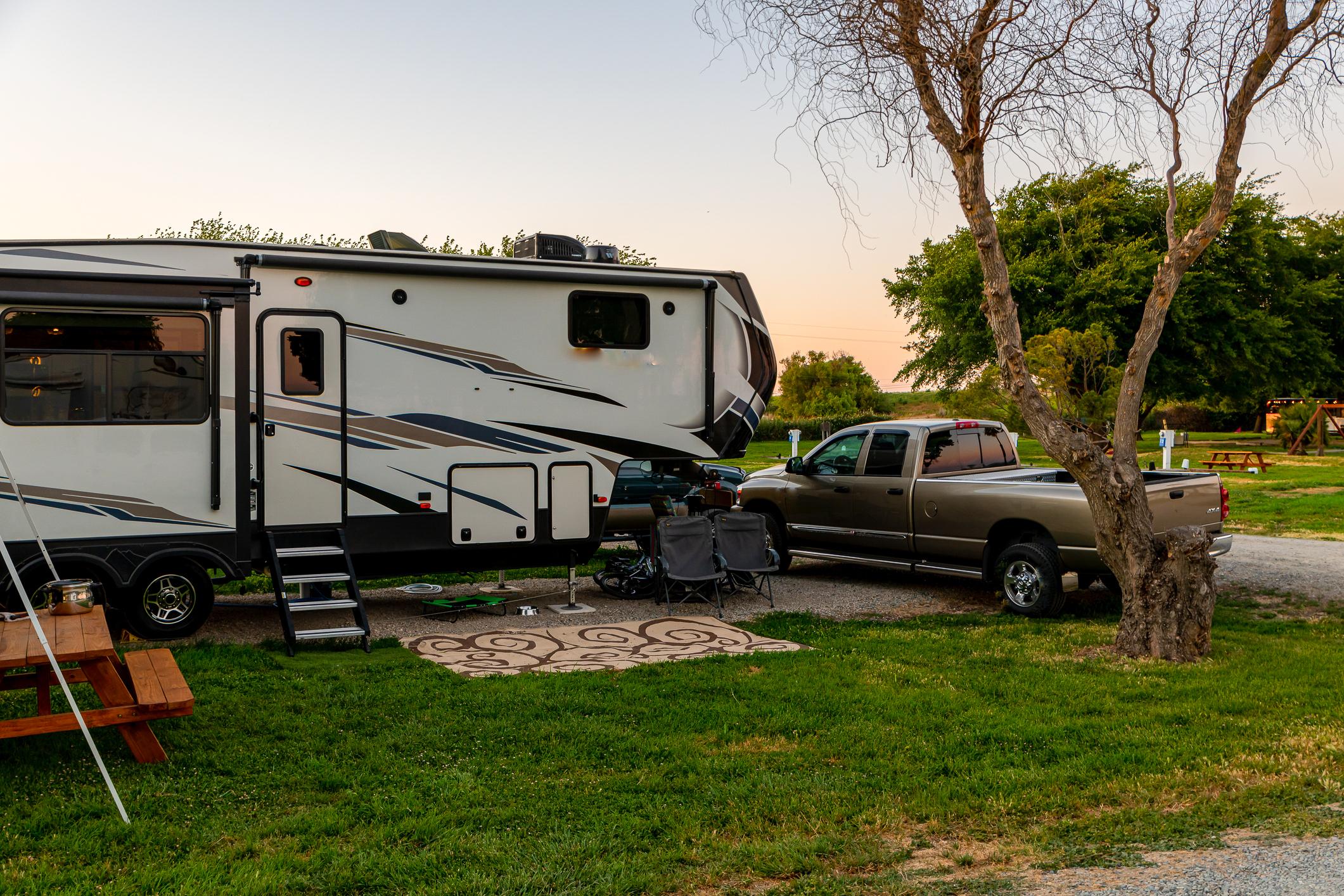
Planning to make your RV your home sweet home? You're not alone; according to the RV Industry Association’s 2025 Owner Demographic Profile, an estimated 486,000 Americans now live in RVs, more than double the number reported in 2021.
Most folks don’t realize until it’s too late: a standard RV policy is usually designed for recreational use and often will not provide the right kind of protection when your motorhome becomes your primary residence. In many cases, you need coverage that functions more like a homeowner policy than a weekend camper policy, but the exact options and eligibility depend on the insurer and state regulations.
Full-time RV insurance can include personal liability when guests visit your parked rig, emergency lodging if your home becomes uninhabitable, and protection for risks you face living on the road year-round, but specific coverages and limits vary by carrier and state. Always review your actual policy documents to see what is and isn’t covered.
Let’s dig into what full-time coverage usually means for your lifestyle.
Key Points
- Full-time RV insurance is generally designed for owners who use their RV as a primary residence or live in it for around six months or more per year, and it can provide homeowner-style protections that standard recreational policies often do not include.
- The core difference between full-timer and standard coverage is protection when your RV is parked and used as a residence, not just when you are driving.
- If your motorhome is your home base—and especially if you host guests regularly, store high‑value belongings, or rent your RV out—you should talk with a licensed agent about whether a full‑time policy or endorsement is appropriate for your situation.
What is Full-Time RV Insurance?
Full-time RV insurance is intended to protect owners who use their RV as a primary residence or live in it for a substantial part of the year, often defined by insurers as six or more months annually, though definitions can vary. It functions similarly to home insurance by adding coverages tailored to residential use while the RV is parked.
Standard RV insurance treats your motorhome primarily as a vehicle and focuses on‑the‑road risks, whereas full‑timer coverage is designed to recognize that your RV is also your home and base of operations. Exact features, eligibility rules, and thresholds differ by insurer and state, so it’s important to confirm how your carrier defines “full-time” use.
How Does Full-Time RV Insurance Differ from Standard Coverage?
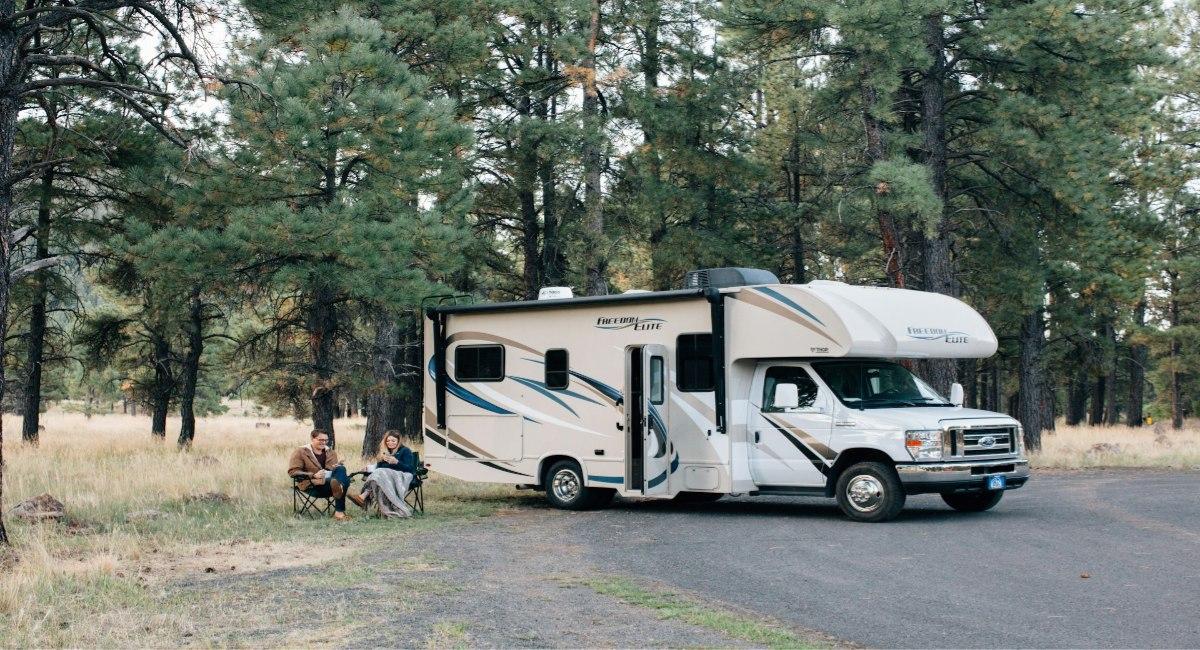
Image source: Unsplash
Full-time RV insurance adds a layer of homeowner-style protections on top of regular RV coverages, filling the gaps that a short-term or recreational policy leaves open when your RV is your permanent address. The descriptions below are general; available coverages and terms depend on the insurer and your state.
Short-term Coverage
Short-term RV insurance typically comes with basic protections, similar to an auto insurance policy. You can expect to find motorhome coverages like:
- Bodily injury (BI) and property damage (PD) liability: It covers the other party if you are at fault in an accident; required in almost every state.
- Comprehensive and collision: This covers your RV against crashes, vandalism, and theft, regardless of fault.
- Medical payments coverage: It pays for hospital bills if you or your passengers are injured in an accident.
- Uninsured/underinsured motorist coverage (UMC): This policy steps in if you are hit by a driver with little or no insurance.
Full-time RV Insurance
Full-timer coverage generally includes the types of protections above plus additional residential-style coverages. Not all insurers offer every option, and names and details vary by company.
Vacation / Personal Liability (while parked)If a guest slips and falls at your RV site and makes a claim against you, or a stray Frisbee cracks a neighboring camper’s windshield, liability coverage associated with full‑time or vacation liability can help pay covered medical and legal costs and damage to others, up to your limits. Terms and availability vary by insurer.
Personal Property CoveragePersonal property coverage helps pay to repair or replace belongings kept in your RV if they’re damaged by a covered peril, up to your selected limit and subject to your deductible. Whether pet‑related losses are covered depends on the policy; pet coverage is not automatically included in all states or products, so check your specific policy wording.
Scheduled Medical PaymentsMedical payments coverage can help pay for medical expenses for injured passengers after an accident, regardless of fault, up to policy limits. With full‑time endorsements or policies, similar coverage may extend to someone injured at or around your RV while it’s parked, depending on the policy form. Covered expenses can include ambulance rides, X‑rays, or stitches, but only as specified in your policy.
Loss AssessmentIf you live in an RV community or park with a homeowners association (HOA), loss assessment coverage can help reimburse you, within limits, for certain assessments the HOA charges to repair covered damage to shared common property. Availability and covered causes of loss depend on the insurer and state.
Emergency Expense CoverageIf your RV is damaged by a covered loss and becomes uninhabitable, emergency expense coverage can help pay for temporary lodging and other necessary additional living expenses, subject to the daily and total limits you select. This can be especially important when your RV is your primary home.
Adjacent Structures CoverageSome full‑time RV policies offer coverage for certain standalone structures at your site—such as sheds, decks, porches, or carports—subject to stated limits and covered causes of loss. The definition of “adjacent structures” varies by carrier, so review your declarations and policy language.
Diminishing DeductiblesDiminishing or “vanishing” deductibles are a benefit some insurers offer where your deductible is reduced for each claim‑free policy term, often by a fixed dollar amount or percentage, up to a cap. The specific reduction amount (such as 25% per year) and eligibility rules differ by company and product, so you should confirm the exact benefit structure in your quote or policy documents.
Choosing a higher deductible generally lowers your premium, and remaining claim‑free may qualify you for diminishing deductible programs where available. However, neither lower premiums nor deductible‑reduction programs are guaranteed; they depend on underwriting and product design.
Who Needs Full-Time RV Insurance?
Many carriers use a six‑month‑per‑year threshold as a key marker for full‑time use, but definitions and underwriting rules are not universal. If you spend more than half the year in your RV as your main residence, you should discuss full‑time coverage options with a licensed agent.
Signs you need full-timer coverage:
- Your RV is your only permanent address
- You spend six or more months per year living in it
- You host guests at your parked rig on a regular basis
- You park in RV communities with HOA rules
- You store high-value equipment or personal belongings in your motorhome
- You rent your RV out on platforms like Outdoorsy.
You should also think about your risk exposure before you reach six months of use; regular guest visits, HOA communities, and storing valuable gear can increase your need for liability and contents coverage sooner. Because eligibility rules vary, talk with a licensed agent about how your usage pattern is classified and what coverages are appropriate.
What Happens If You Rent Out Your RV on Marketplace Platforms?
Many traditional RV insurers limit or exclude coverage if you rent your RV through peer‑to‑peer platforms such as Outdoorsy, or they may require a separate commercial policy for rental periods. That can create coverage gaps if damages occur while your RV is being rented.
Roamly’s products are designed specifically with RV owners in mind, and certain Roamly policies are built to work alongside peer‑to‑peer rental platforms. Roamly is one of a relatively small group of online RV insurers that offers options for insuring rigs that are rented out on platforms like Outdoorsy, subject to underwriting guidelines and state availability.
When Roamly coverage is combined with rental‑period insurance offered by platforms such as Outdoorsy for eligible and verified rigs, many common coverage gaps during rental periods can be reduced or eliminated. You should always review the terms of both policies and speak with a licensed agent to understand how your coverage applies before listing your RV.
How Much Does Full-Time RV Insurance Cost?

Image source: Unsplash
Industry data suggests that full-time RV insurance for motorhomes commonly falls in a range of about $1,500 to $4,000 per year, with some policies costing more depending on value and usage. Recreational‑use RV policies often cost less on average because they cover fewer residential‑style exposures.
Several factors influence what you pay:
- RV type, age, and value: A luxury Class A motorhome usually costs more to insure than a smaller travel trailer or camper van.
- Location and state requirements: Your domicile state, where you store or primarily keep the RV, and state‑mandated liability minimums all affect pricing.
- Driving record and claims history: Clean driving and a low claims history can help you qualify for lower rates, while accidents and violations can increase premiums.
- Coverage limits and deductibles: Higher liability limits and comprehensive coverage with lower deductibles typically increase premiums but can provide stronger protection.
While full‑time coverage is usually more expensive than standard recreational policies, many RVers find the broader protection worthwhile when their RV is their home. Think about potential out‑of‑pocket costs—especially emergency lodging and replacing personal property—if you had to handle a major incident without full‑time coverage.
What Should You Look for When Comparing Full-Timer Policies?
The best full-time RV insurance policy is not always the cheapest one. When your RV is your only home, coverage quality matters far more than saving a few dollars per month.
Key coverage features to evaluate:
- Vacation/personal liability limits: Ensure limits are high enough to protect your assets if someone is injured at your parked RV or you accidentally damage a neighbor’s property.
- Emergency expense coverage: Check per‑day and total limits and whether they realistically match hotel and living costs in the areas where you typically travel.
- Personal property coverage: Make an inventory of your belongings and select limits that reflect the cost to replace everything you keep in your RV.
- Pet‑related coverage: If traveling with pets, verify whether injuries to others caused by your pet or certain pet‑related incidents are covered, and under what conditions.
Other factors to consider when choosing an insurer:
- Claims handling: Look for companies known for responsive, fair claims service, which is crucial if your RV is your only home.
- Experience with full‑timers: Prioritize insurers and agents who understand full‑time RV lifestyles rather than just weekend or seasonal use.
- Customer support: Check whether you’ll have access to knowledgeable, preferably US‑based support (where applicable) that can answer coverage questions clearly.
Important exclusions and limitations to review:
- Boondocking and workamping: Confirm whether off‑grid camping or work‑for‑site arrangements impact coverage.
- Rental platform usage: Ask explicitly how coverage applies if you rent your rig through platforms like Outdoorsy or others.
- Extended stays and location limits: Check for any restrictions on how long you can remain in a single location or specific geographic limitations.
Do You Need Full-Time RV Insurance If You Also Own a House?
Image source: Unsplash
Whether you need full-time RV insurance when you also own a house depends on how you actually use your RV, not just on your list of assets. Where you spend your time and face the most risk is what matters for underwriting and coverage design.
If you live in your RV for extended periods while maintaining a house, especially if you host guests, park in communities with HOA rules, or store valuable items in your rig, you may still benefit from full‑time protections. Standard policies typically assume your RV is used primarily for recreation, and using it as a residence without appropriate coverage can create gaps.
If your usage falls in a gray area, talk with a licensed agent who can help determine whether a full‑time endorsement, a separate policy, or another configuration is most appropriate. Policy terms and availability vary by state and insurer.
How Do You Switch to Full-Time RV Insurance?
Switching to full-time RV insurance is a straightforward process, but the timing and the details you share with your insurer matter more than most people realize. Here is how to make the transition cleanly.
Step 1: Establish Your Domicile State
As a full-timer, you need a legal home state for vehicle registration, your driver's license, and your insurance policy. South Dakota, Texas, and Florida are the most popular choices among full-time RVers because of their favorable tax and registration rules. Check Roamly's state-specific RV insurance pages to understand the minimum coverage requirements for your chosen domicile.
Step 2: Audit Your Current Policy
Before contacting your insurer, review your existing policy to understand what it covers. Pay special attention to:
- How the policy defines “recreational” vs. “full‑time” use.
- What happens when your RV is parked and used as a residence.
- Any exclusions related to rentals, workamping, or extended stays.
Knowing these details helps you have a more productive conversation with your agent and identify any coverage gaps.
Step 3: Disclose Your Actual Living Situation
Insurers price your policy based on how you use your RV. Being upfront about full-time residence, rental activity on platforms like Outdoorsy, and workamping situations protects you if you ever need to file a claim.
Step 4: Compare Endorsements vs. a New Policy
In some cases, adding a full‑timer endorsement or rider to your existing policy may be possible. In others, a dedicated full‑time RV policy may provide more suitable coverage or pricing. Ask for quotes for both approaches where available and compare:
- Liability limits and types (including premises liability).
- Personal property and adjacent structures limits.
- Emergency expense coverage and daily/aggregate caps.
Step 5: Update Your Coverage Limits
The limits that worked for occasional trips are often too low for full‑time living. Review and update:
- Personal property limits to reflect what you permanently keep in your RV.
- Liability limits to a level that reasonably protects your assets against serious injury claims.
- Emergency expense limits so they realistically cover hotel and basic living costs in the areas where you travel.
Get Protected Before You Hit the Road
Whether it's full-time, part-time, or commercial RV coverage, Roamly has you covered with quality protection at rates that make sense for your lifestyle. Get your free quote today and build a policy that actually fits how you live.
The six-month rule isn't always black and white. Discuss your situation with your insurer if you're spending significant time in your RV as a residence. They can recommend appropriate coverage based on your risk profile.
Full-timer coverage itself isn't legally mandated. However, basic liability insurance is required in every state for motorized RVs. Full-timer endorsements are optional but strongly recommended for additional protection.
This varies by insurer and policy. Roamly understands the full-timer lifestyle and works with common scenarios like workamping. Always disclose your living and working situation to your insurer upfront.
Coverage typically follows you across state lines, but minimum liability requirements vary by state. Make sure your policy meets requirements for the states you'll visit regularly.
Yes, most insurers allow you to add full-timer endorsements to existing policies. Contact your agent as soon as you transition to full-time living. Remember that coverage gaps can leave you exposed to major financial risks.

Roamly Insurance Group, LLC ("Roamly") is a licensed general agent for affiliated and non-affiliated insurance companies. Roamly is licensed as an agency in all states in which products are offered. Roamly license numbers. Availability and qualification for coverage, terms, rates, and discounts may vary by jurisdiction. We do not in any way imply that the materials on the site or products are available in jurisdictions in which we are not licensed to do business or that we are soliciting business in any such jurisdiction. Coverage under your insurance policy is subject to the terms and conditions of that policy and is ultimately the decision of the buyer.
Policies provided by Roamly are underwritten by Spinnaker Insurance Company, Progressive Insurance Company, Safeco Insurance Company, Foremost Insurance Company, National General Insurance, Mobilitas Insurance Company, and others.
Connect
© 2026 Roamly All rights reserved.